

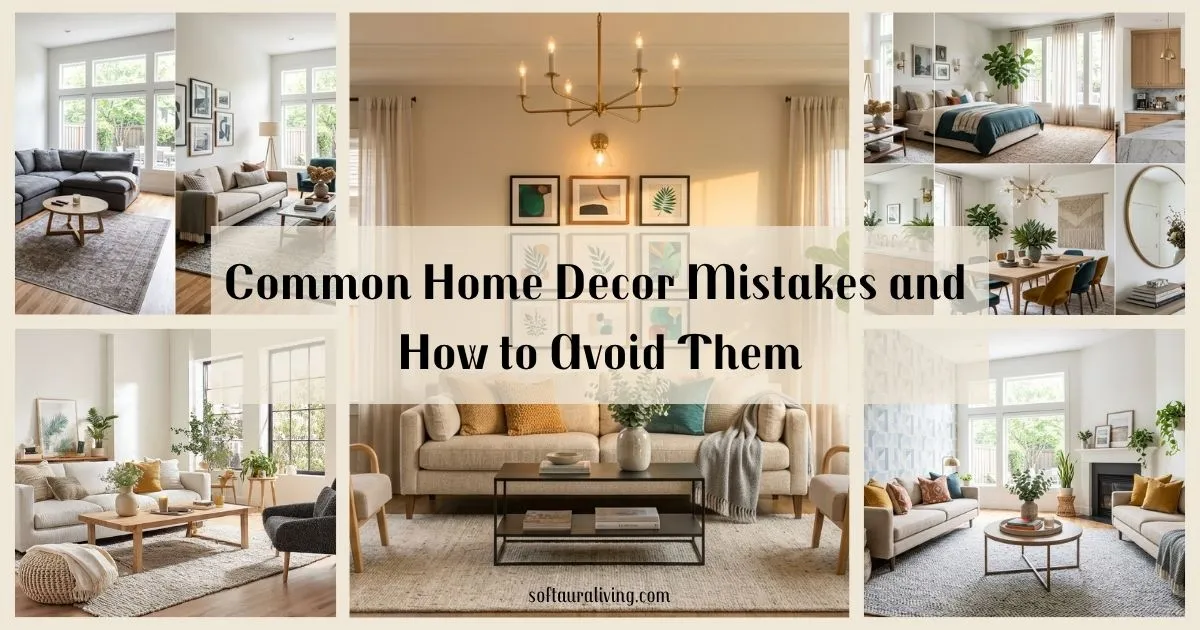
Many homeowners make common home decor mistakes that leave their spaces feeling cramped, cluttered, or unfinished. The good news is that most decorating errors are easy to fix without spending a fortune. In this guide, you’ll learn the biggest home decorating mistakes, practical solutions, budget-friendly updates, and professional interior design tips to help you create a stylish, functional, and welcoming home.
Table of Contents
- Why Do Home Decor Mistakes Matter?
- Common Home Decor Errors That Affect Your Home’s Style
- Is Your Furniture Layout Making the Room Feel Smaller?
- Are You Choosing the Wrong Rug Size?
- Is Poor Lighting Ruining Your Home Decor?
- Are You Hanging Artwork Too High?
- Why Does Matching Everything Make a Room Look Boring?
- Are You Ignoring Scale and Proportion?
- Is Clutter Making Your Home Feel Smaller?
- Are You Choosing Paint Colors Too Early?
- Have You Forgotten to Add Texture?
- Are You Blocking Natural Light?
- Room-by-Room Common Home Decor Mistakes
- Budget-Friendly Ways to Fix Home Decor Mistakes
- Professional Interior Design Tips
- Home Decor Checklist
- Conclusion
- Frequently Asked Questions
Creating a beautiful home isn’t about buying expensive furniture or following every design trend. Instead, it’s about making thoughtful decorating decisions that improve comfort, balance, and functionality. Even small home decorating mistakes can affect how spacious and inviting your rooms feel. If you’re new to decorating, start with our Complete Home Decor Guide before making design decisions.
Whether you’re decorating your first apartment or refreshing your forever home, understanding these common home decor mistakes will help you avoid costly purchases and create a space that reflects your personal style.
Why Do Common Home Decor Mistakes Matter?
How Small Decorating Errors Affect Your Home
Simple decorating mistakes often have a bigger impact than homeowners realize. Poor furniture placement, cluttered surfaces, or incorrect lighting can make even a large room feel uncomfortable. These issues also affect traffic flow, visual balance, and your home’s overall appeal.
Common decorating mistakes may also make your space appear smaller, reduce natural light, and create an unfinished look. Fixing these details improves both functionality and everyday comfort.
What Professional Interior Designers Do Differently
Professional designers rarely decorate without a plan. They measure every room, establish a focal point, and consider scale, proportion, and color harmony before purchasing furniture.
They also:
- Create balanced room layouts.
- Layer ambient, task, and accent lighting.
- Mix textures for warmth and depth.
- Prioritize functionality over trends.
- Add personal touches without overcrowding the space.
These simple principles can transform almost any room.
Common Home Decor Errors That Affect Your Home’s Style
Many homeowners unknowingly repeat the same decorating errors. Avoiding these mistakes will save money while helping every room feel more cohesive and comfortable.
Decorating Without a Clear Plan
Buying decor items without an overall vision often leads to mismatched colors, crowded spaces, and unnecessary spending.
How to fix it:
- Decide on your decorating style first.
- Choose a consistent color palette.
- Measure your room before shopping.
- Create a simple mood board for inspiration.
Planning first helps every purchase feel intentional.
Buying Furniture Before Measuring the Room
Oversized sectionals or tiny coffee tables can throw off a room’s balance. Furniture that doesn’t fit the available space disrupts traffic flow and makes rooms feel awkward.
Always measure:
- Room dimensions
- Doorways
- Windows
- Existing furniture
- Walking space
Maintain approximately 30-36 inches of walking space between furniture to ensure smooth movement and a comfortable, functional room layout.
Following Trends Instead of Your Lifestyle
Trendy interiors look beautiful online, but they may not suit your daily life. Homes with children, pets, or frequent guests require practical materials and durable furniture.
Choose timeless pieces for larger investments, then incorporate trends through accessories like throw pillows, artwork, or decorative vases that are easy to update later. Understanding different home decor styles can also help you choose a look that matches your lifestyle instead of short-lived trends. If you love clean lines and functional spaces, explore our modern home decor ideas for inspiration.
Is Your Furniture Layout Making the Room Feel Smaller?
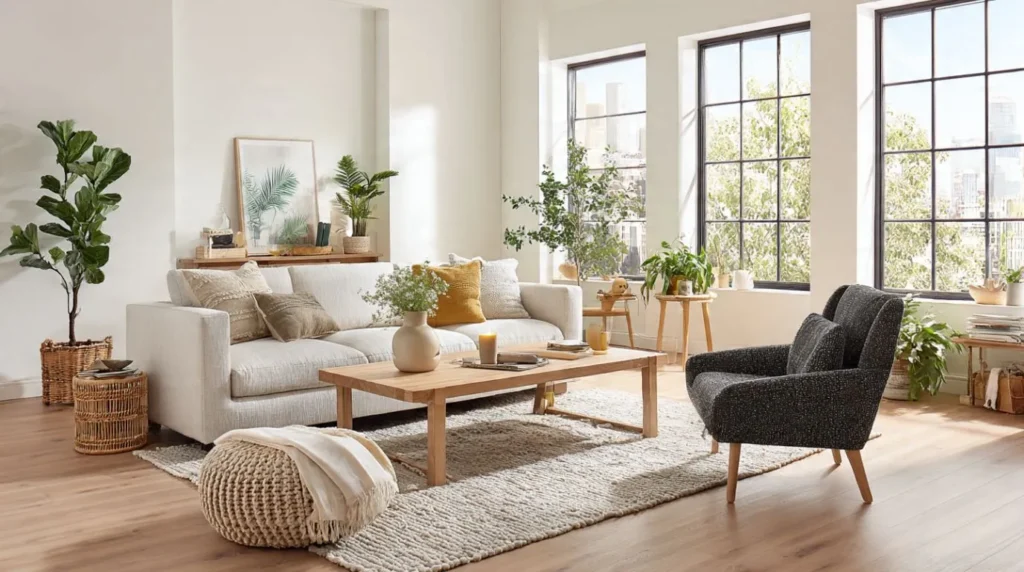
An ineffective furniture layout is one of the most common home decorating mistakes that can affect both comfort and visual appeal. Even expensive furniture can look out of place if it’s arranged incorrectly.
Common Furniture Arrangement Mistakes
Some of the most common layout mistakes include:
- Pushing every piece against the wall.
- Blocking natural walking paths.
- Placing oversized furniture in small rooms.
- Ignoring a focal point like a fireplace or large window.
Instead, arrange seating to encourage conversation while maintaining clear pathways throughout the room.
How to Create Better Traffic Flow
Good space planning makes rooms feel larger without adding square footage. If you’re decorating a compact home, our Small Space Home Decor Guide offers additional layout strategies to maximize every square foot.
Keep these guidelines in mind:
- Leave clear walkways between furniture.
- Position the sofas to face the room’s focal point.
- Avoid blocking doorways or windows.
- Balance visual weight across the room.
Small layout adjustments often have a greater impact than buying new furniture.
Furniture Placement Tips for Living Rooms and Bedrooms
In living rooms, place seating around a central coffee table rather than lining everything against the walls. Bedrooms should maintain open space around the bed while keeping nightstands within easy reach.
| Mistake | Why It Happens | Better Solution |
| Furniture against every wall | Trying to create more space | Float furniture when possible |
| Oversized sofa | Buying without measuring | Choose furniture scaled to the room |
| Blocked walkways | Poor planning | Leave clear traffic paths |
| No focal point | Random placement | Arrange around fireplace, TV, or window |
Are You Choosing the Wrong Rug Size?
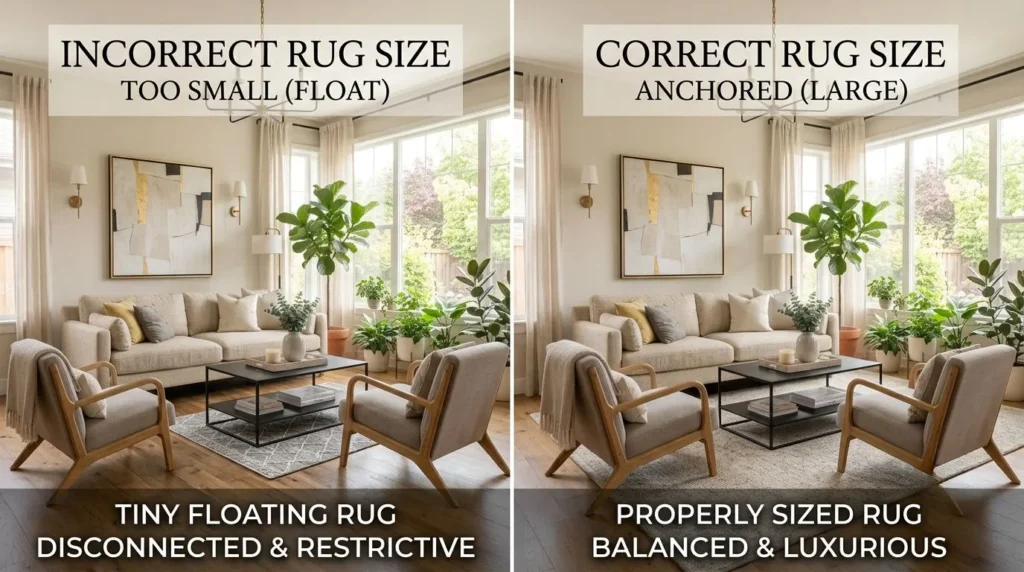
Area rugs help define spaces, but choosing the wrong size is one of the most common home decorating mistakes.
Why Small Rugs Make Rooms Look Disconnected
A rug that’s too small makes furniture appear disconnected and creates visual imbalance. Instead of anchoring the room, it makes each piece feel isolated.
Whenever possible, the front legs of sofas and accent chairs should rest on the rug to create a unified seating area.
Rug Size Guide for Every Room
Choose rugs based on room size rather than price.
- Living room: Front legs of all seating should sit on the rug.
- Bedroom: Extend the rug beyond both sides and the foot of the bed.
- Dining room: Ensure chairs remain on the rug when pulled out.
- Entryway: Select a rug that complements the entry without blocking the door.
A properly sized rug instantly makes a room feel more polished.
Is Poor Lighting Ruining Your Home Decor?
Lighting influences how colors, textures, and furniture appear. Relying on one ceiling fixture is a common interior decorating mistake that leaves rooms feeling flat.
Why One Ceiling Light Isn’t Enough
A single overhead light creates harsh shadows and uneven illumination. It also reduces warmth and makes interiors feel less inviting.
Instead of depending on one light source, combine multiple lighting layers throughout the room.
How Layered Lighting Improves Every Room
Professional designers typically use three types of lighting:
- Ambient lighting: Overall room illumination.
- Task lighting: Reading lamps, kitchen lighting, or desk lamps.
- Accent lighting: Wall sconces, picture lights, or decorative table lamps.
Don’t overlook natural light either. Keeping windows unobstructed and using light-filtering curtains helps brighten your home while making rooms appear larger.
Are You Hanging Artwork Too High?
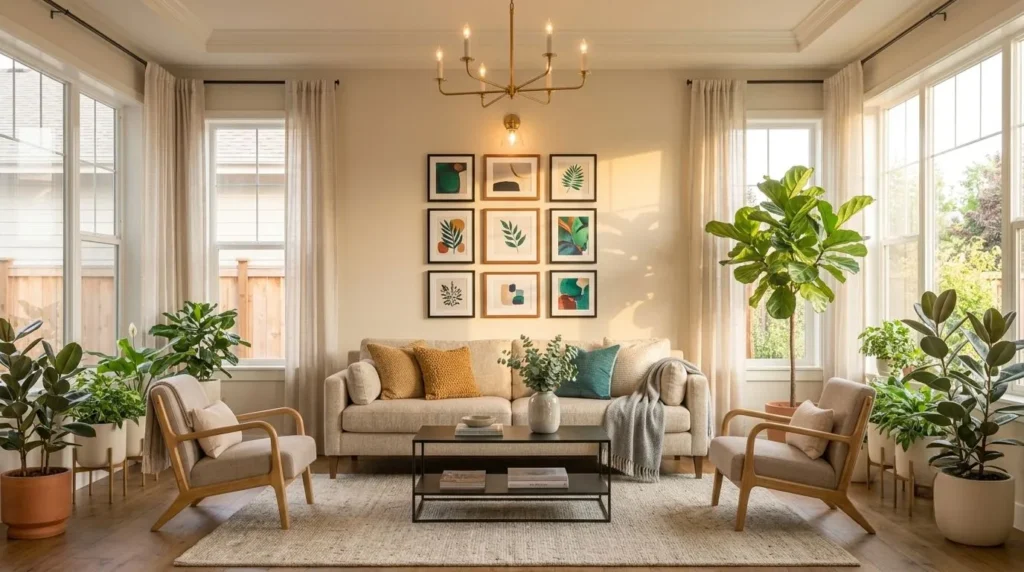
Artwork can elevate a room, but incorrect placement often throws off the entire design. Hanging wall decor too high disconnects it from the furniture below, making the room feel unbalanced.
Ideal Wall Art Placement
A good rule of thumb is to hang artwork so its center sits about 57-60 inches from the floor, which is close to average eye level. When hanging artwork above a sofa, bed, or console table, position the bottom edge of the frame approximately 6 to 10 inches above the furniture to create a balanced and visually appealing display.
For oversized walls, combine multiple pieces instead of relying on one small frame. This creates a stronger focal point and improves visual balance.
Gallery Wall Tips
Gallery walls add personality when planned carefully.
Keep these tips in mind:
- Lay out the arrangement on the floor first.
- Maintain consistent spacing between frames.
- Mix artwork sizes while keeping the overall shape balanced.
- Use similar frame finishes for a cohesive appearance.
Using Mirrors to Create More Space
Mirrors do more than decorate; they reflect light and create the illusion of a larger room. Position a mirror opposite a window or near a natural light source to brighten darker spaces and enhance openness.
Why Does Matching Everything Make a Room Look Boring?
Buying complete furniture sets may seem like the easiest decorating solution, but overly matched rooms often lack character. Professional interiors combine complementary pieces that add depth and personality.
Mixing Furniture Styles Correctly
Choose one primary design style, then introduce contrasting elements to keep the room interesting. For example, pair a modern sofa with a rustic wood coffee table or add woven accents to a contemporary living room.
Mixing styles thoughtfully creates a timeless look rather than one that feels like a showroom.
Combining Colors, Textures, and Materials
Variety makes a room feel layered and inviting. Blend natural materials and fabrics instead of repeating the same finish everywhere.
Try combining:
- Wood with metal accents
- Linen and velvet textiles
- Glass and ceramic décor
- Marble surfaces with woven rattan accessories
The goal is balance, not perfect matching.
Are You Ignoring Scale and Proportion?
Even beautiful furniture can look awkward if it isn’t proportioned correctly. Scale and proportion help every piece work together harmoniously.
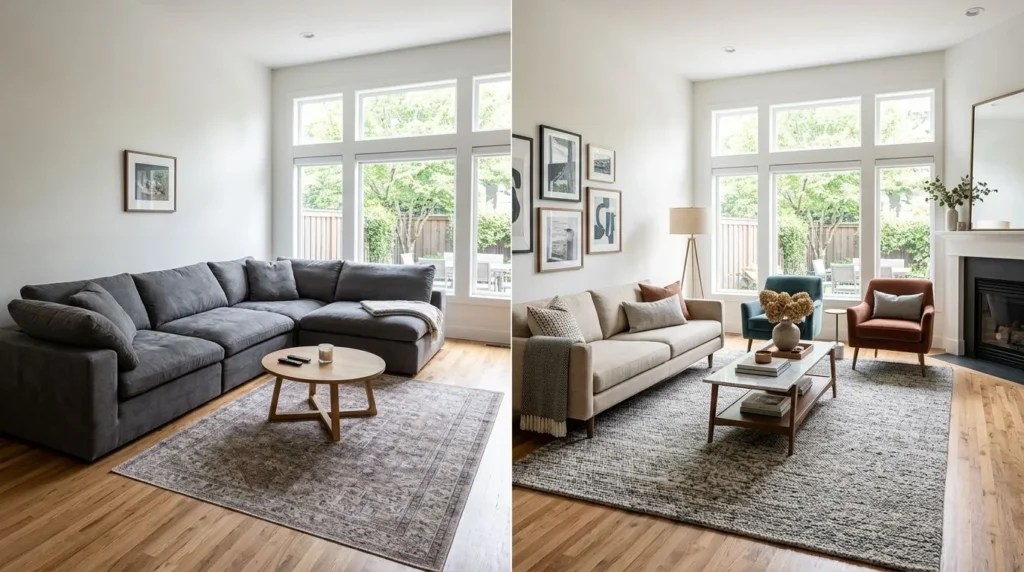
Choosing the Right Furniture Size
Oversized furniture overwhelms small rooms, while tiny pieces can disappear in larger spaces. Always consider ceiling height, wall dimensions, and floor area before making purchases.
Measure your room first and leave enough breathing space around each piece for comfortable movement.
Balancing Large and Small Decorative Pieces
Avoid placing all large décor on one side of the room. Create a balanced room by pairing statement furniture with smaller decorative pieces that evenly distribute visual weight throughout the space.
For example:
- Pair a large sectional with slim side tables.
- Balance oversized artwork with smaller accessories.
- Use tall floor lamps alongside lower furniture.
Balanced proportions create a calm, polished appearance.
Is Clutter Making Your Home Feel Smaller?
Clutter is one of the fastest ways to make a room feel cramped. Too many decorative accessories compete for attention and hide your home’s best features.
Common Decorating Accessories That Create Visual Clutter
Decor becomes clutter when every surface is filled.
Items to limit include:
- Too many throw pillows
- Small decorative figurines
- Overcrowded bookshelves
- Excess candles and vases
- Multiple unrelated accessories
Instead, display only pieces that add beauty or personal meaning.
Easy Decluttering Tips
Refreshing your home doesn’t always require buying something new.
Simple ideas include:
- Clear countertops regularly.
- Remove decor that no longer serves a purpose.
- Group accessories in odd numbers.
- Leave some space on shelves for visual balance.
Negative space helps important decor stand out.
Smart Storage Solutions
Hidden storage keeps rooms organized without sacrificing style.
Consider adding:
- Decorative storage baskets
- Floating shelves
- Built-in cabinets
- Decorative storage boxes
- Multi-functional furniture with concealed storage
These solutions reduce visual clutter while improving functionality.
Are You Choosing Paint Colors Too Early?
Many homeowners select paint before buying furniture, but professionals often do the opposite.
Why Furniture Should Come First
Furniture, rugs, and fabrics offer countless colors and patterns, while paint can be mixed into almost any shade. Selecting your furniture before choosing paint colors helps create a more cohesive and well-balanced interior design.
Once your main pieces are in place, select paint that complements the room instead of competing with it.
Understanding the 60-30-10 Color Rule
The 60-30-10 color rule is based on the principles of color theory, which explains how colors interact and complement one another. A balanced color palette often follows the 60-30-10 rule:
- 60% – Dominant color (walls)
- 30% – Secondary color (upholstery, curtains, rugs)
- 10% – Accent color (pillows, artwork, decorative accessories)
This approach creates harmony without making the room feel monotonous.
Choosing a Balanced Color Palette
Limit your palette to a few complementary shades and repeat them throughout the room. Neutral foundations combined with carefully chosen accent colors create a timeless interior that’s easy to update over time.
Have You Forgotten to Add Texture?
A room with beautiful furniture can still feel flat if every surface has the same finish. Texture introduces warmth, contrast, and visual interest.
Why Texture Creates Warmth
Layering different materials prevents interiors from looking one-dimensional. Soft fabrics, natural fibers, and organic elements make spaces feel more comfortable and inviting.
Texture also enhances minimalist and modern homes without adding clutter.
Easy Ways to Layer Different Materials
You don’t need a complete makeover to introduce texture.
Try adding:
- Soft throw pillows
- Patterned area rugs
- Linen curtains
- Cozy blankets
- Indoor plants
- Woven baskets
- Decorative ceramic accessories
Mixing smooth, rough, soft, and natural materials creates a balanced, professionally styled room.
Are You Blocking Natural Light Without Realizing It?
Maximizing natural light helps rooms appear more spacious, brighter, and inviting while enhancing the overall look of your home. Unfortunately, furniture placement and heavy window treatments often reduce its impact.
Curtain Mistakes
Curtains hung too low or too narrow can make windows appear smaller.
For a more spacious look:
- Hang curtain rods closer to the ceiling.
- Extend rods beyond the window frame.
- Choose light-filtering fabrics whenever possible.
These simple adjustments create the illusion of taller ceilings and larger windows.
Furniture Placement Near Windows
Avoid placing tall bookshelves, cabinets, or oversized sofas directly in front of windows. Keeping windows clear allows sunlight to flow freely throughout the room while improving the overall atmosphere.
Using Mirrors to Reflect Light
Strategically placed mirrors amplify natural light and brighten darker corners. Position them opposite or adjacent to windows to reflect daylight deeper into the room, making even compact spaces feel more open and airy.
Room-by-Room Common Home Decor Mistakes
Every room has unique decorating challenges. Paying attention to function as well as style helps create a home that feels comfortable and cohesive.
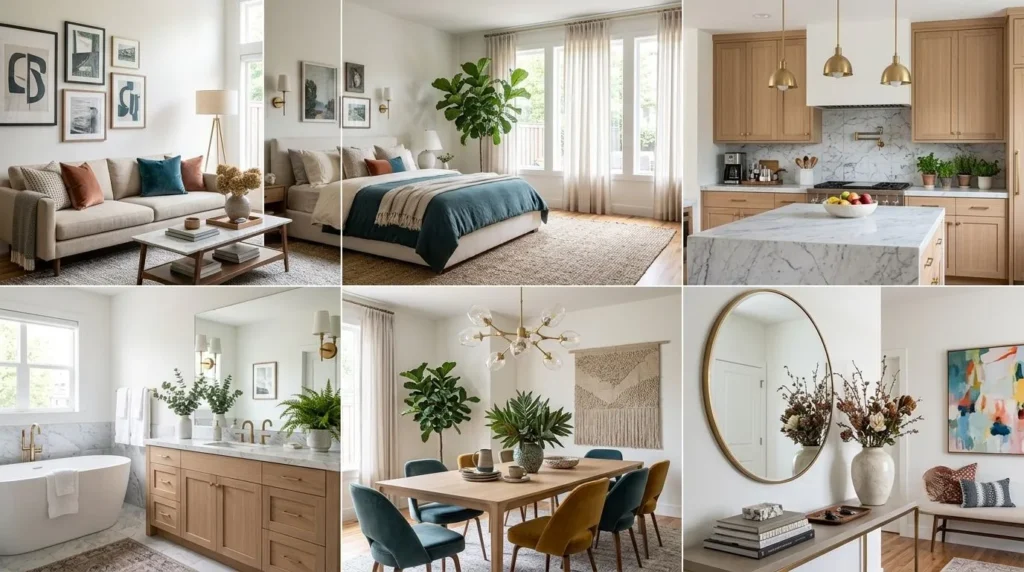
Living Room Decorating Mistakes
The living room often suffers from poor furniture placement, undersized rugs, or too many decorative accessories. Create a conversation-friendly layout, choose a properly sized area rug, and limit décor to a few meaningful statement pieces.
Bedroom Decorating Mistakes
A cluttered bedroom can disrupt relaxation and make the space feel less comfortable and inviting. Avoid overcrowding the room with furniture, use layered lighting instead of relying on one ceiling fixture, and keep bedside tables practical yet uncluttered for a calming atmosphere.
Kitchen Decorating Mistakes
Open countertops filled with small appliances and decorative items reduce workspace. Keep essentials within reach while storing less-used items inside cabinets. Under-cabinet lighting also improves both function and style.
Bathroom Decorating Mistakes
Small bathrooms quickly feel crowded. Use wall-mounted storage, mirrors, and light-colored finishes to maximize visual space while keeping everyday products neatly organized.
Dining Room Decorating Mistakes
A dining room should be comfortable for both everyday meals and entertaining. Choose a dining table that leaves enough room for chairs to move easily, and hang the light fixture centered above the table.
Entryway Decorating Mistakes
The entryway creates your home’s first impression. Avoid clutter by adding a slim console table, decorative basket, wall hooks, and a mirror to keep the space both organized and welcoming.
How Can You Fix Home Decor Mistakes on a Budget?
Improving your home’s appearance doesn’t require a major renovation. Many decorating mistakes can be corrected using what you already own.
Rearrange Before Buying New Furniture
Before purchasing anything, experiment with different furniture layouts. Moving a sofa, repositioning artwork, or relocating a lamp can completely transform how a room feels without costing a dollar.
Affordable DIY Home Decor Updates
Simple DIY improvements can refresh your space while staying within budget.
Some affordable upgrades include:
- Painting old furniture
- Updating cabinet hardware
- Styling open shelves
- Creating a gallery wall
- Adding peel-and-stick wallpaper
Budget-Friendly Decor Under $50
Small purchases often make the biggest difference.
- New throw pillows
- Indoor plants
- Decorative mirrors
- Area rugs
- Decorative trays
- Table lamps
- Storage baskets
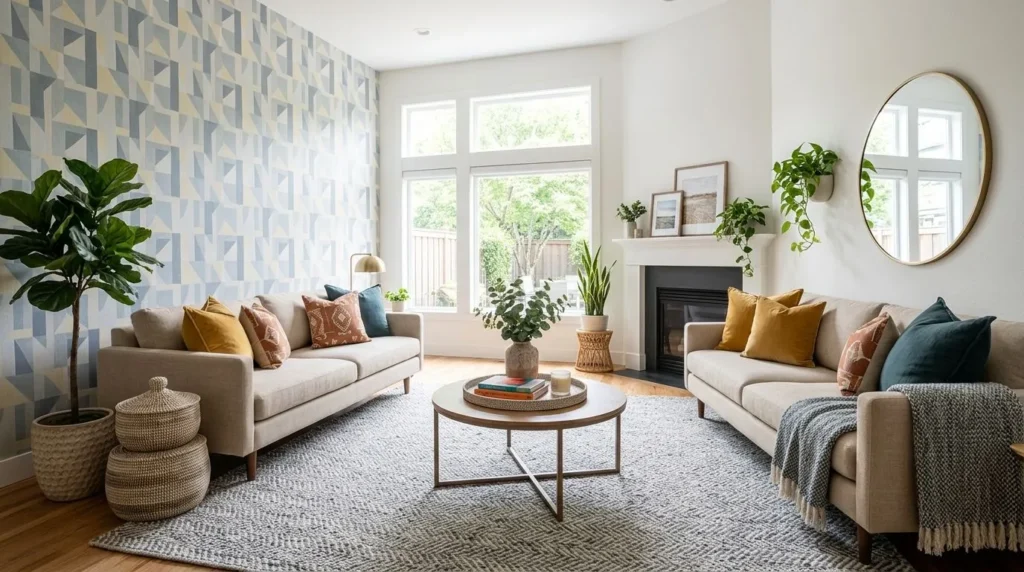
Choose home decor pieces that enhance both functionality and visual appeal instead of simply filling empty spaces.
What Interior Designers Recommend for a Timeless Home
Professional designers focus on creating homes that remain beautiful for years instead of following short-lived trends.
Focus on Functionality First
A well-designed room should support your daily routine. Prioritize comfortable seating, practical storage, and layouts that allow easy movement before adding decorative accessories.
Invest in Quality Statement Pieces
Instead of replacing inexpensive furniture every few years, invest in durable items such as a quality sofa, dining table, or bed frame. Build around these timeless pieces with affordable seasonal décor.
Personalize Your Home Without Overdecorating
Display artwork, travel souvenirs, family photos, or handmade accessories that reflect your personality. Carefully selected personal touches make a home feel authentic while avoiding unnecessary visual clutter.
Home Decor Checklist Before You Buy Anything
Use this quick checklist before making your next decorating purchase:
✔ Measure every room.
✔ Measure furniture before buying.
✔ Choose a consistent color palette.
✔ Leave comfortable walking space.
✔ Layer ambient, task, and accent lighting.
✔ Add texture with fabrics and natural materials.
✔ Include indoor plants or natural elements.
✔ Select the correct rug size.
✔ Hang artwork at eye level.
✔ Avoid overcrowding decorative accessories.
✔ Balance style with functionality.
Conclusion: Ready to Avoid Common Home Decor Mistakes?
Avoiding common home decor mistakes isn’t about following strict design rules; it’s about creating a home that feels comfortable, functional, and uniquely yours. By planning your layout, choosing the right furniture size, layering lighting, reducing clutter, and adding texture, you can transform any room without overspending.
Remember that great interior design develops over time. Start with the basics, make thoughtful improvements, and focus on timeless choices that suit your lifestyle. For more decorating inspiration, explore SoftAuraLiving’s guides on Modern Home Decor Ideas, Affordable Home Decorating Ideas, Living Room Decorating Tips, and DIY Home Decor Projects to continue creating a home you’ll love.
Frequently Asked Questions
What is the biggest home decorating mistake?
Decorating without a plan is one of the most common mistakes. Measuring your space, choosing a color palette, and planning furniture placement first helps avoid expensive decorating errors.
How do I make my home look professionally decorated?
Focus on balanced furniture placement, layered lighting, proper scale and proportion, coordinated colors, and a few thoughtfully chosen accessories instead of filling every surface.
What decorating mistakes make a room look smaller?
Small rugs, oversized furniture, poor lighting, excessive clutter, blocked windows, and crowded layouts can all make rooms appear smaller than they really are.
How can I decorate on a budget?
Rearrange existing furniture, declutter, repaint walls, add indoor plants, replace throw pillows, and use mirrors to create a fresh look without spending much.
What is the 60-30-10 color rule?
The rule suggests using 60% of one dominant color, 30% of a secondary color, and 10% as an accent. This creates a balanced and visually appealing color scheme.
Should everything in a room match?
No. A professionally designed room mixes complementary colors, textures, and materials to create depth and personality while maintaining a cohesive overall style.