

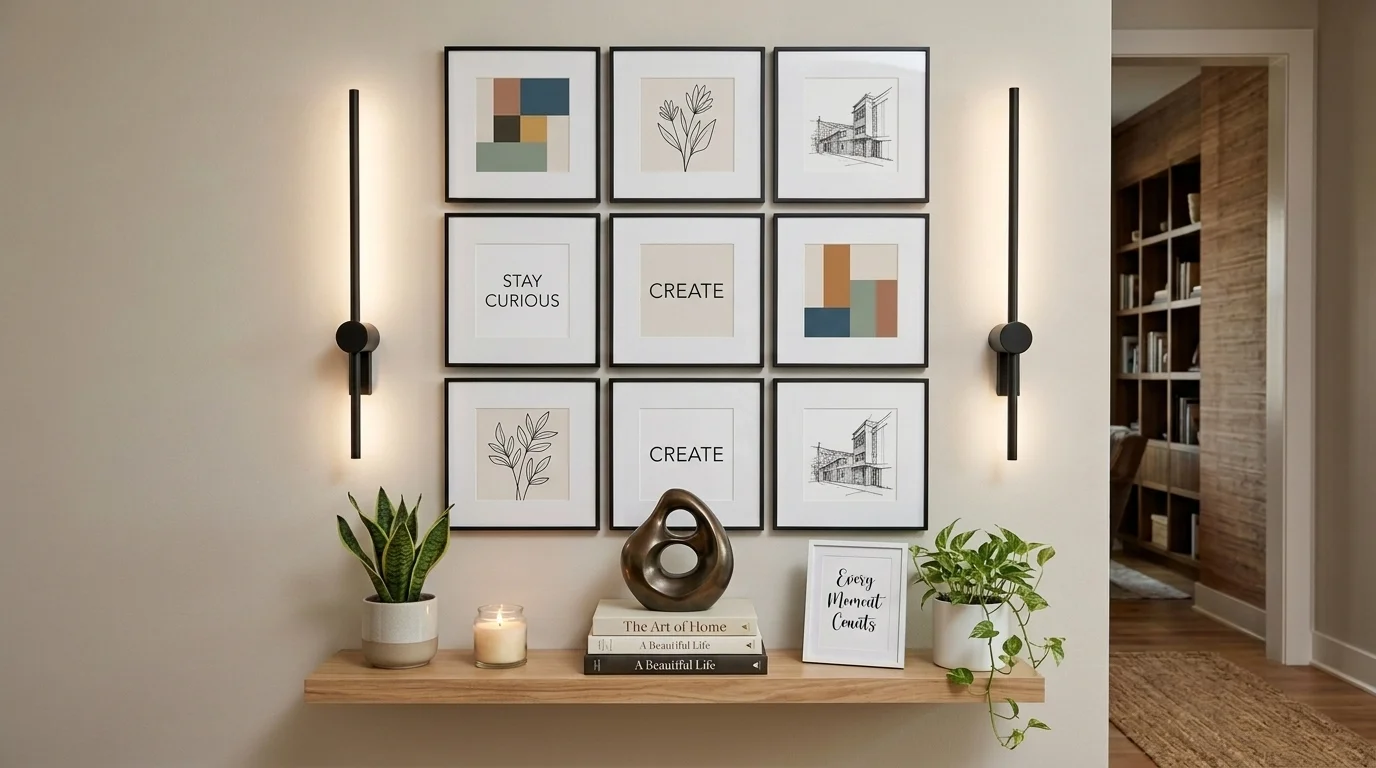
Home decor vs. interior design is a common comparison for homeowners and renters looking to improve their living spaces. While home decor focuses on styling a room with furniture, colors, lighting, and accessories, interior design involves space planning, functionality, safety, and structural improvements. This guide explains their key differences, costs, benefits, and how to decide which option best fits your home and budget.
Table of Contents
- What Is Home Decor?
- What Is Interior Design?
- Home Decor vs Interior Design: Quick Comparison
- What Are the Biggest Differences?
- Home Decor vs Interior Decorating: Are They the Same?
- Which Professional Should You Hire?
- Real-Life Room Examples
- Cost Comparison in the US
- DIY Home Decor vs Hiring an Interior Designer
- Latest Home Decor and Interior Design Ideas for 2026
- Home Decor Mistakes Every Homeowner Should Avoid
- Final Thoughts
- Frequently Asked Questions
Home Decor vs Interior Design: What’s the Difference?
Choosing between home decor and interior design can feel confusing because the two terms are often used interchangeably. Although they share the goal of creating beautiful living spaces, they differ in purpose, process, and expertise.
Home decor focuses on enhancing the visual appeal of a room through furniture, textiles, lighting, artwork, and decorative accessories. Interior design goes much deeper by improving a home’s functionality through space planning, room layouts, lighting design, and structural considerations.
Understanding the difference helps you make smarter decisions, avoid unnecessary expenses, and choose the right professional for your project. Whether you’re refreshing a single room, remodeling your kitchen, or planning a full home renovation, knowing where home styling, interior decorating, and residential interior design fit into the process can save both time and money. If you’re new to decorating, start with our complete home decor guide to learn the fundamentals before comparing decor and design.
What Is Home Decor?
Home decor is the art of making a house feel welcoming, comfortable, and visually appealing. It focuses on the decorative elements that reflect your personality without changing the home’s structure or layout.
Unlike interior design, home decor doesn’t involve construction, architectural planning, or building codes. Instead, it enhances an existing space by carefully selecting furniture, colors, textures, and accessories that create a cohesive look.
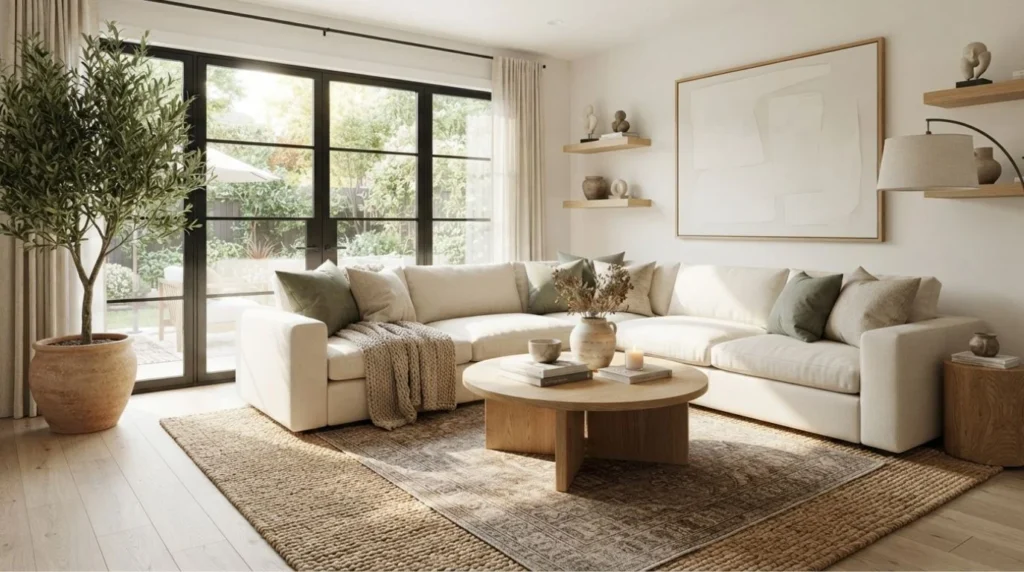
Whether you prefer a modern, Scandinavian, farmhouse, Japandi, or minimalist style, home decor allows you to personalize your living space while staying within your budget.
What Does Home Decor Include?
Home decor includes a wide range of decorative elements that enhance a room’s style, comfort, and personality, such as:
- Sofas, accent chairs, and coffee tables
- Area rugs and runners
- Curtains and blinds
- Throw pillows and blankets
- Wall art and framed photographs
- Decorative mirrors
- Indoor plants
- Table lamps, pendant lights, and floor lamps
- Decorative vases and candles
- Bookshelves and console tables
- Wallpaper and paint colors
- Home accessories and seasonal decorations
These decorative elements work together to improve home aesthetics, create visual balance, and establish a comfortable atmosphere. Looking for fresh inspiration? Discover our collection of modern home decor ideas to give every room a contemporary and welcoming look.
Key Benefits of Home Decor
Home decor offers several advantages for homeowners and renters alike:
- Refreshes a room without major renovations
- Reflects your personal style and lifestyle
- Improves comfort and visual appeal
- Allows affordable seasonal updates
- Can increase perceived home value before selling
- Supports DIY projects with flexible budgets
Even simple updates such as replacing outdated lighting, adding textured rugs, or introducing natural wood furniture can dramatically transform a room.
Popular Home Decor Styles
Modern homeowners have access to countless design ideas, making it easier than ever to create a stylish and personalized living space. Some of the most popular styles include:
| Style | Characteristics |
| Modern | Clean lines, neutral colors, minimal accessories |
| Scandinavian | Bright interior, natural wood, functional furniture |
| Minimalist | Simple layouts, clutter-free spaces, calming palettes |
| Farmhouse | Rustic wood, cozy textiles, and vintage-inspired accents |
| Japandi | A design style that combines the clean simplicity of Japanese interiors with the cozy comfort of Scandinavian design. |
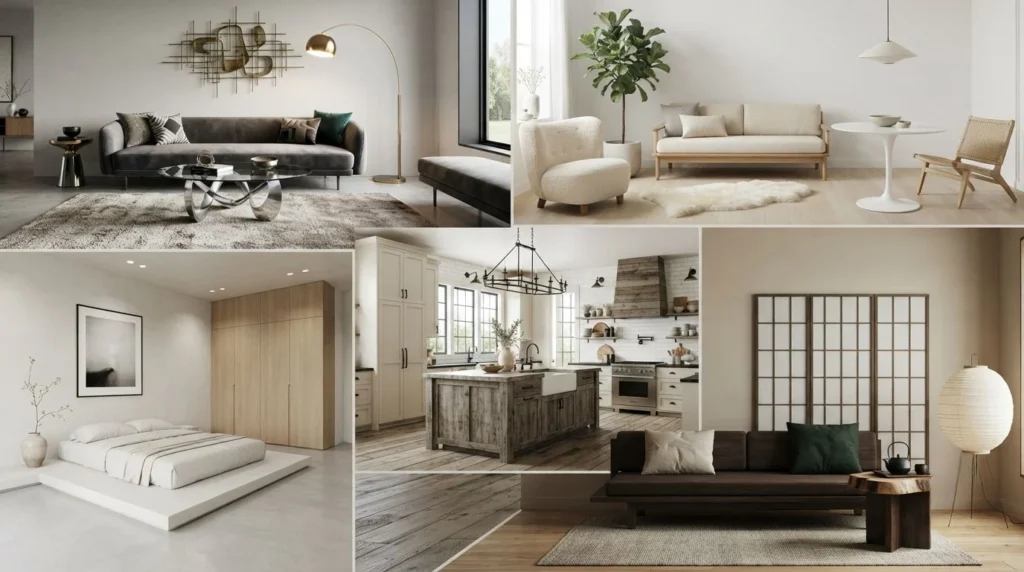
While each style has its own personality, they all rely on thoughtful furniture arrangement, balanced color palettes, layered textures, and carefully selected decorative accents.
What Is Interior Design?
Interior design is the art and science of creating spaces that are attractive, practical, and comfortable. It goes beyond decorating by focusing on how a space functions, feels, and supports daily living while improving safety, comfort, and overall efficiency.
Interior designers blend creative vision with technical expertise to develop spaces that match a client’s lifestyle, preferences, and functional requirements. They also work closely with architects, contractors, and construction professionals to ensure designs meet building codes and are successfully implemented during renovation and new construction projects.
Unlike home decorators, interior designers can redesign room layouts, improve traffic flow, optimize storage, and develop comprehensive plans before any furniture or finishes are selected. Choosing the right furniture is just as important as planning the layout. Our Furniture Buying Guide can help you select high-quality pieces that match your space, lifestyle, and budget.
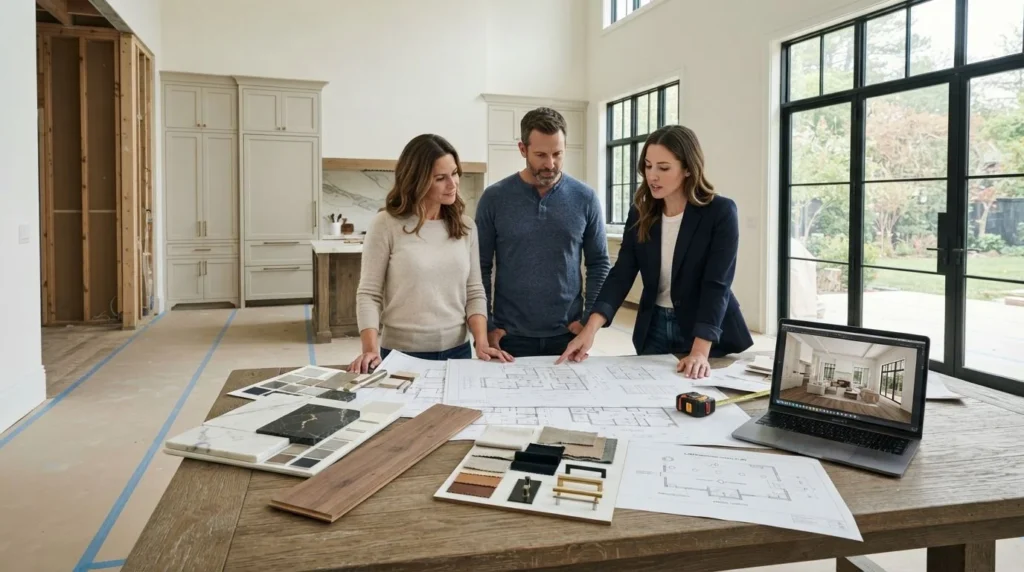
What Does an Interior Designer Actually Do?
Interior designers oversee the planning and execution of functional, attractive spaces. Their responsibilities often include:
- Space planning and room optimization
- Creating detailed floor plans
- Developing cohesive color palettes using color theory
- Designing lighting plans with ambient, task, and accent lighting
- Selecting flooring, cabinetry, and finishes
- Planning furniture placement for comfort and flow
- Coordinating remodeling and renovation projects
- Preparing mood boards and design concepts
- Producing CAD drawings and 3D renderings
- Managing budgets, timelines, and contractors
Their goal is to create interiors that are not only beautiful but also practical, safe, and tailored to the homeowner’s lifestyle.
Professional Standards and Certifications
Many professional interior designers pursue education, certifications, and industry memberships that demonstrate expertise and ethical practice. Well-known organizations include:
- American Society of Interior Designers (ASID)
- International Interior Design Association (IIDA)
- Council for Interior Design Qualification (CIDQ)
- National Kitchen & Bath Association (NKBA)
These organizations promote professional standards, continuing education, and best practices across the interior design industry.
Design Tools Used by Interior Designers
Modern designers rely on advanced technology to visualize projects before construction begins. Common tools include:
- CAD software for technical drawings
- 3D rendering software for realistic visualizations
- Digital mood boards
- Material and finish libraries
- Lighting simulation tools
- Project management software
These tools help clients understand the final design, reduce costly mistakes, and make informed decisions throughout the project.
Home Decor vs Interior Design: Quick Comparison
| Feature | Home Decor | Interior Design |
| Primary Purpose | Improve a room’s appearance | Improve both function and appearance |
| Main Focus | Furniture, accessories, colors, and styling | Space planning, layouts, safety, and functionality |
| Typical Work | Decorating existing spaces | Designing or redesigning interior spaces |
| Education Required | Not typically required | Often requires formal education, training, and certification |
| Structural Changes | No | Yes, when needed |
| Furniture Selection | Major responsibility | Part of the overall design strategy |
| Lighting | Decorative lighting choices | Complete lighting design and planning |
| Renovation Involvement | Rare | Frequently involved |
| Project Timeline | Days to a few weeks | Several weeks to months |
| Typical Cost (US) | Lower | Higher due to planning and technical expertise |
| Best For | Style updates and room refreshes | Renovations, remodeling, and new home planning |
What Are the Biggest Differences Between Home Decor and Interior Design?
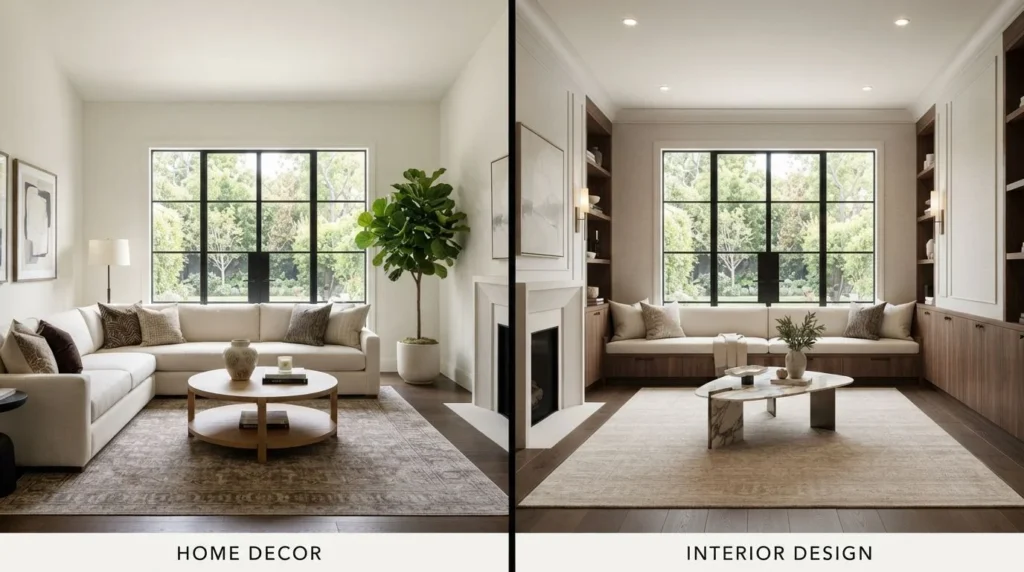
Although both aim to create attractive homes, home decor and interior design differ in scope, expertise, and purpose. Home decor enhances the appearance of a finished space, while interior design shapes how the space functions from the beginning.
Purpose and Goals
Home decor is all about making a living space feel comfortable, stylish, and welcoming. It involves choosing furniture, lighting, rugs, curtains, wall art, and decorative accessories that work together to enhance the look and feel of a home. The main goal is to create a space that reflects the homeowner’s personality, lifestyle, and individual design preferences.
Interior design, however, balances aesthetics with functionality. Designers consider how people move through a room, maximize usable space, improve lighting, and ensure every design choice supports daily living.
Functionality vs. Appearance
Decorators primarily enhance a room’s appearance without changing its structure. They work with existing layouts to create a cohesive look using color palettes, textiles, and furniture placement.
Interior designers solve functional challenges such as poor layouts, limited storage, awkward traffic flow, or insufficient lighting. Their recommendations improve both comfort and efficiency.
Space Planning
One of the biggest differences is space planning.
Decorators arrange furniture within an existing room. Interior designers evaluate room dimensions, circulation paths, ergonomic needs, and furniture scale before developing floor plans that maximize every square foot.
Structural Changes
Home decorators rarely make permanent changes to a home.
Interior designers often collaborate with architects and contractors during remodeling or renovation projects. They may recommend removing walls, designing custom cabinetry, updating flooring, or improving lighting layouts while considering building codes and safety requirements.
Design Process
A decorating project usually begins after construction is complete and focuses on selecting furnishings and accessories.
Interior design starts much earlier and typically includes:
- Client consultation
- Space assessment
- Budget planning
- Mood boards
- Floor plans
- CAD drawings and 3D renderings
- Material selection
- Project management
- Final styling
Education and Certifications
Most home decorators build expertise through experience, creativity, and knowledge of current design trends.
Interior designers often complete formal education and may earn professional credentials through organizations such as the American Society of Interior Designers (ASID), International Interior Design Association (IIDA), and Council for Interior Design Qualification (CIDQ). Their technical training prepares them to handle complex residential design projects safely and effectively.
Home Decor vs Interior Decorating: Are They the Same?
Many people use home decor and interior decorating interchangeably, and in most situations, that’s perfectly acceptable. Both focus on improving a home’s visual appeal rather than changing its structure.
However, there is a subtle difference.
Home decor refers to the decorative products and design style within a home, while interior decorating is the process of selecting and arranging those elements to create a cohesive look.
Similarities
Both involve:
- Choosing furniture
- Selecting color palettes
- Styling shelves and tables
- Hanging artwork and mirrors
- Layering rugs and textiles
- Adding decorative lighting
- Personalizing living spaces
Differences
Interior decorating is a professional service centered on styling existing interiors. Home decor is the broader concept that includes decorative items, trends, and DIY decorating projects.
Simply put: decorators create beautiful interiors using home decor elements, while interior designers may redesign the entire space before decorating begins.
Which Professional Should You Hire?
The right choice depends on your goals, budget, and the complexity of your project.
Hire a Home Decorator If You…
- Want to refresh your home’s appearance.
- Need help selecting furniture or accessories
- Are updating colors or window treatments
- Want seasonal or budget-friendly styling
- Already like your room layout
Hire an Interior Designer If You…
- Are renovating your home
- Need better space planning
- Want a new kitchen or bathroom layout
- Require custom cabinetry or built-in storage
- Need lighting, flooring, or structural recommendations
- Are building a new home
Can You Use Both?
Absolutely. Many homeowners hire an interior designer during construction or remodeling and then work with a decorator to complete the final styling.
Real-Life Room Examples
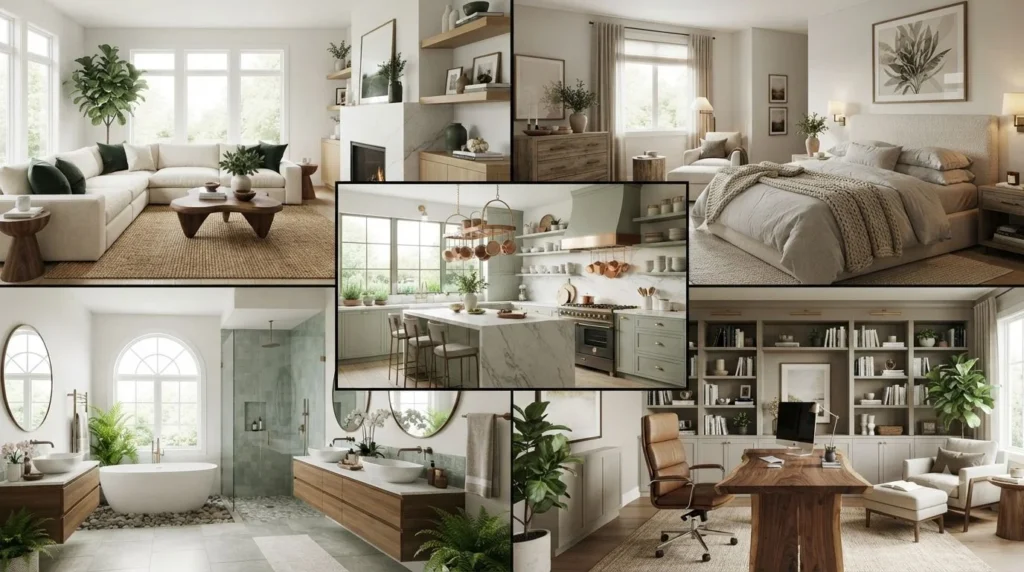
Seeing the difference in real rooms makes the distinction much clearer.
Living Room
Home Decor: Add a new sofa, area rug, wall art, throw pillows, indoor plants, and table lamps.
Interior Design: Reconfigure the furniture layout, add built-in shelving, redesign lighting, and improve traffic flow.
Bedroom
Home Decor: Update bedding, curtains, artwork, rugs, and bedside lighting.
Interior Design: Create custom wardrobes, optimize storage, redesign closet layouts, or improve natural lighting.
Kitchen
Home Decor: Replace bar stools, pendant lights, decorative accessories, and wall decor.
Interior Design: Design a more efficient floor plan, relocate appliances, add custom cabinets, and improve workspace functionality.
Bathroom
Home Decor: Install mirrors, towels, decorative storage baskets, and accessories.
Interior Design: Redesign the vanity layout, improve ventilation, replace flooring, or reconfigure plumbing fixtures.
Home Office
Home Decor: Style the workspace with artwork, shelving, plants, and comfortable seating.
Interior Design: Improve ergonomics, increase storage, optimize lighting, and create a more productive workspace.
How Much Does Home Decor vs Interior Design Cost in the US?
Costs vary based on project size, location, and the professional you hire.
| Service | Typical US Cost |
| DIY Home Decor | $100-$2,000+ |
| Home Decor Consultation | $100-$300 per session |
| Home Decorating Project | $500-$5,000+ |
| Interior Design Consultation | $150-$500 per session |
| Interior Designer (Hourly) | $100-$300+ per hour |
| Full-Service Interior Design | $2,000-$15,000+ |
Budget-Friendly Options
If you’re working with a limited budget, consider:
- Decorating one room at a time.
- Mixing DIY projects with professional consultations.
- Reusing existing furniture with updated textiles and accessories.
- Prioritizing functional upgrades before decorative purchases.
DIY Home Decor vs Hiring an Interior Designer
Whether you should decorate your home yourself or hire a professional depends on your budget, project size, and goals. DIY decorating is ideal for cosmetic updates, while an interior designer is often the better choice for renovations or complex layouts.
Benefits of DIY Home Decor
DIY decorating gives you full creative control and helps you save money. With online inspiration, mood boards, and budget-friendly shopping options, it’s easier than ever to refresh your home.
Benefits include:
- Lower overall costs
- Flexible project timeline
- Personalized style
- Great for renters and first-time homeowners
- Easy to update as trends change
DIY projects work well for painting walls, styling shelves, adding rugs, choosing curtains, or rearranging furniture.
Benefits of Hiring an Interior Designer
A professional interior designer brings technical expertise and experience that can prevent costly mistakes.
Key advantages include the following:
- Optimized space planning
- Functional room layouts
- Professional lighting design
- Material and finish recommendations
- Budget and project management
- Access to trusted suppliers and contractors
Hiring a designer is especially valuable for home renovations, remodeling projects, kitchens, bathrooms, and custom-built spaces.
When DIY Isn’t Enough
Consider hiring a professional if you:
- Need structural changes
- Want to remove or add walls
- Have an awkward room layout
- Are renovating multiple rooms
- Need custom cabinetry or built-in storage
- Feel overwhelmed by planning and material choices
For many homeowners, the best solution is a combination of hiring a designer for planning and completing the decorating yourself.
Latest Home Decor and Interior Design Ideas for 2026
Home design in 2026 emphasizes sustainability, comfort, and flexible living. These trends combine modern technology with timeless aesthetics to create healthier and more functional homes.
Sustainable Materials
Natural wood, recycled materials, organic fabrics, and eco-friendly finishes continue to gain popularity. They reduce environmental impact while adding warmth and texture.
Smart Home Integration
Smart lighting, voice-controlled devices, automated window treatments, and energy-efficient systems make homes more convenient and efficient.
Biophilic Design
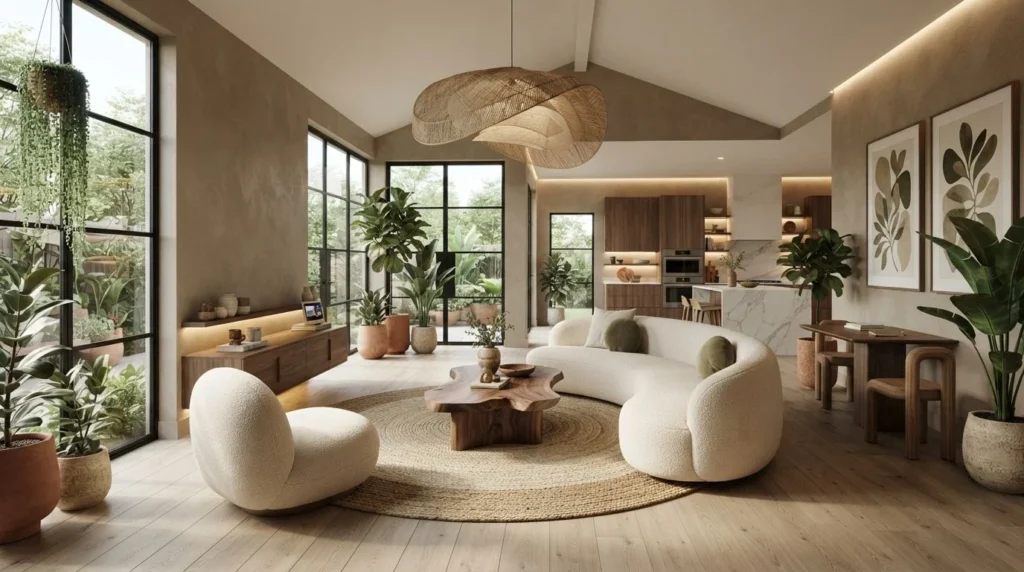
Indoor plants, natural light, wood finishes, and stone textures help connect indoor spaces with nature, creating calm and relaxing environments.
Multifunctional Furniture
Furniture that serves multiple purposes, such as storage ottomans, extendable dining tables, and sofa beds, is perfect for apartments and smaller homes.
Earth-Tone Color Palettes
Warm beige, terracotta, olive green, soft brown, and muted clay colors are replacing cooler gray tones, making interiors feel more inviting.
Statement Lighting
Oversized pendant lights, sculptural chandeliers, and layered LED lighting serve as both functional features and decorative focal points.
Textured Walls
Wood slats, limewash paint, decorative paneling, and textured wallpaper add visual depth without overwhelming a room.
Home Decor Mistakes Every Homeowner Should Avoid
Avoiding these common mistakes can save time, money, and frustration.
| Mistake | Simple Solution |
| Buying furniture before measuring | Measure your room and create a simple floor plan first. |
| Ignoring lighting | Combine ambient, task, and accent lighting for balance. |
| Choosing style over function | Prioritize comfort and everyday usability. |
| Poor space planning | Leave enough walking space between furniture pieces. |
| Using too many decorations | Follow the “less is more” principle and create a focal point. |
| Ignoring storage | Add multifunctional furniture with built-in storage. |
| Choosing the wrong color palette. | Test paint samples in natural and artificial light before committing |
Final Thoughts
Understanding home decor vs. interior design helps you make better home improvement decisions. Home decor enhances a room’s style, while interior design improves both beauty and functionality.
For simple room updates, home decor is often enough. For renovations or layout changes, professional interior design offers greater long-term benefits. Combining both creates a home that is stylish, practical, and comfortable.
Frequently Asked Questions
When should you use home decor instead of interior design?
Home decor improves a room’s appearance with furniture, lighting, and accessories. Interior design also focused on space planning, functionality, and creating practical living spaces.
Is home decor the same as interior decorating?
Not exactly. Home decor refers to decorative items, while interior decorating is the process of selecting and arranging them.
Can I decorate my home without an interior designer?
Yes. Many homeowners achieve great results with DIY decorating. An interior designer is most helpful for renovations or complex projects.
Is interior design expensive?
Costs vary by project. Small consultations are affordable, while full home renovations require a larger budget.
Which is better for small homes?
Both are useful. Home decor adds style, while interior design improves layout, storage, and space efficiency.
Do interior designers choose furniture?
Yes. They recommend furniture, lighting, and finishes that match your space, style, and budget.
What factors determine the duration of an interior design project?
Simple decorating projects may take days, while full renovations can take several months.
Can home decor increase home value?
Yes. Attractive decor improves buyer appeal, and good interior design can add even more long-term value.