

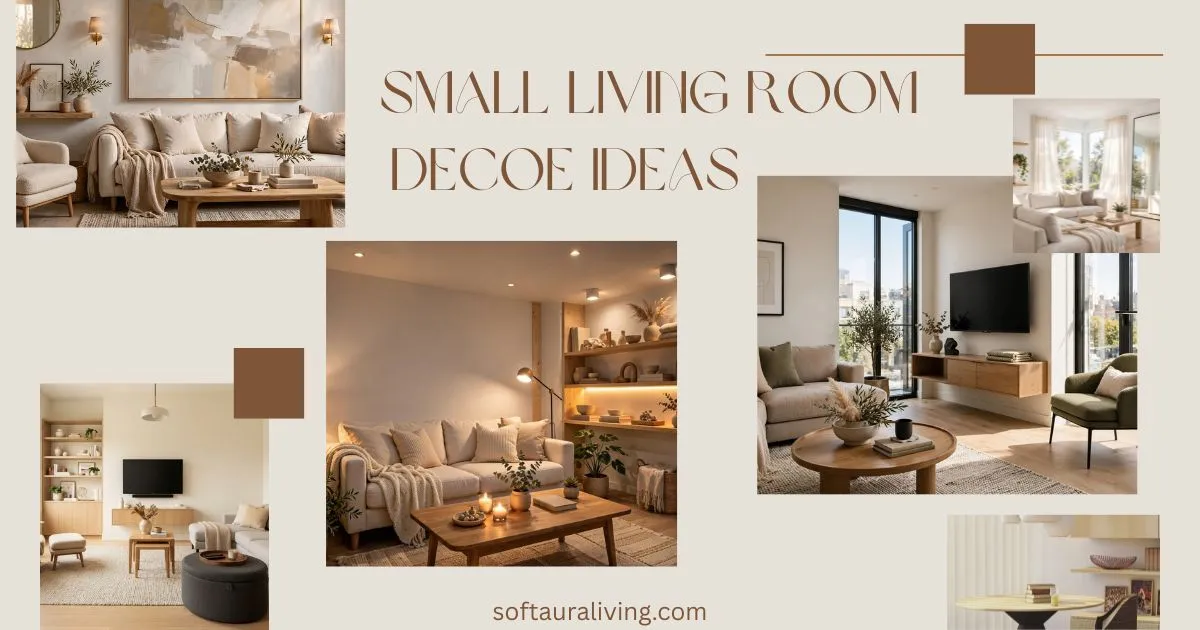
The best small living room decor ideas focus on making every square foot functional and stylish. By choosing multifunctional furniture, using light colors, adding mirrors, maximizing natural light, and incorporating smart storage, you can make a compact living room feel larger, brighter, and more comfortable without sacrificing style.
Table of Contents
- Why Does Decorating a Small Living Room Matter?
- How Can You Make a Small Living Room Look Bigger?
- Which Furniture Works Best for Small Living Rooms?
- What Layout Ideas Maximize Every Inch?
- Which Colors Make Small Living Rooms Feel Spacious?
- How Can Lighting Transform a Small Living Room?
- What Storage Solutions Keep Small Spaces Organized?
- Which Wall Decor Ideas Add Style Without Clutter?
- What Decor Styles Suit Small Living Rooms?
- What Mistakes Should You Avoid?
- How Can You Decorate a Small Living Room on a Budget?
- Small Living Room Decor Checklist
- Final Thoughts
- Frequently Asked Questions
Decorating a compact living room may seem challenging, but the right design choices can completely transform the space. Whether you live in a small apartment, condo, or cozy home, thoughtful planning helps create a room that feels open, organized, and welcoming. Instead of focusing on the room’s size, focus on maximizing every square foot with functional furniture, clever storage, and balanced decor.
These small living room decor ideas are designed to help you create a stylish space without overcrowding it. From choosing the right layout and color palette to incorporating multifunctional furniture and smart storage solutions, this guide covers practical tips that work for every budget and design style. By the end, you’ll have the inspiration and confidence to turn your compact living room into a beautiful, comfortable space that looks much larger than it actually is.
Why Does Decorating a Small Living Room Matter?
A well-designed small living room does much more than improve appearance. If you’re decorating your entire home, start with our complete home decor guide to understand the fundamentals of creating a cohesive and stylish interior. It creates a comfortable environment where every piece of furniture serves a purpose while maintaining visual balance. Thoughtful interior design also makes daily living easier by improving organization, movement, and functionality.
With smart planning, even a compact space can feel spacious and inviting. Instead of filling the room with unnecessary furniture, focus on selecting pieces that maximize comfort without creating clutter.
How Does Smart Design Improve Everyday Living?
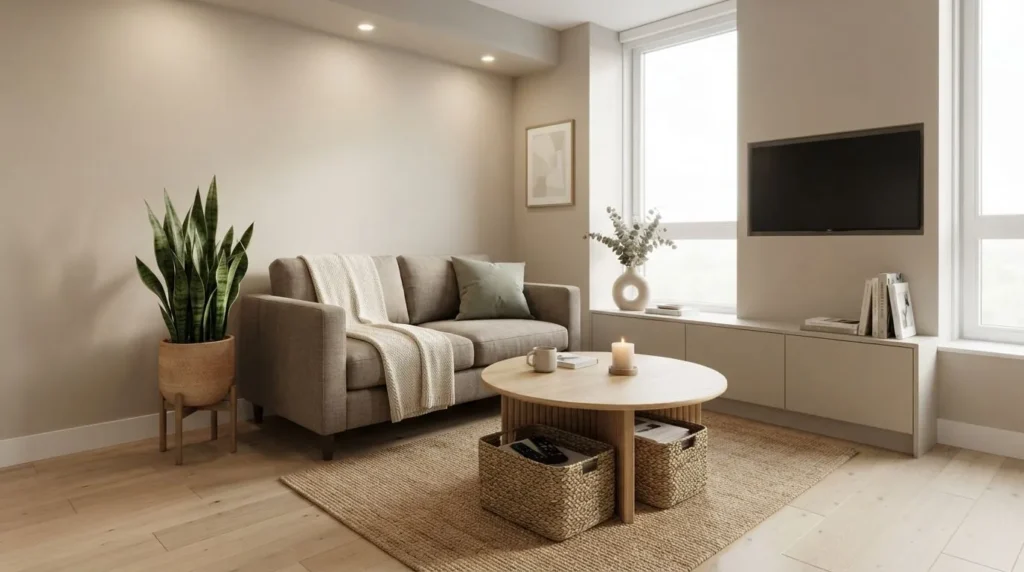
Smart design allows a small living room to function efficiently while maintaining a stylish appearance. Every design decision from furniture placement to lighting contributes to a more practical and enjoyable living space.
Some of the biggest benefits include:
- Better traffic flow throughout the room
- Improved organization with hidden storage
- More comfortable seating arrangements
- A brighter and more open atmosphere
- Better use of vertical space
- Enhanced visual balance
A functional layout also reduces everyday clutter, making the room easier to clean and maintain.
How Can You Make a Small Living Room Look Bigger?
Creating the illusion of a larger space doesn’t require expensive renovations. A few smart design choices can completely transform the look and feel of a compact living room. By combining light colors, strategic furniture placement, mirrors, and clutter-free styling, you can make even the smallest room feel open, bright, and inviting.
Why Do Light Colors Create a Spacious Feel?
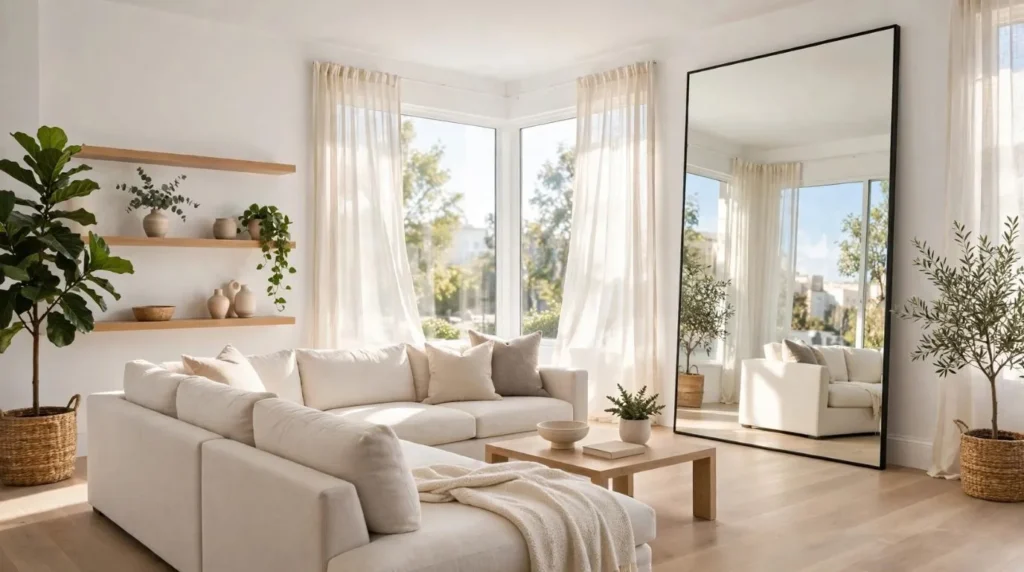
The colors you choose have a significant impact on how open and spacious a room feels. Light shades reflect both natural and artificial light, making walls seem farther apart and creating an airy atmosphere. Dark colors can add warmth, but they often make compact spaces feel enclosed if overused.
For the best results, consider these paint colors:
- Crisp white for a clean and timeless look
- Warm white to add softness
- Soft gray for a modern feel
- Beige or cream for warmth
- Pale sage green for a calming touch
- Soft blue for a fresh and relaxing atmosphere
A neutral color palette also makes it easier to switch decor styles over time. Pair light-colored walls with natural wood furniture, woven textures, and linen fabrics to create a cozy yet spacious living room.
How Do Mirrors Add Visual Depth?
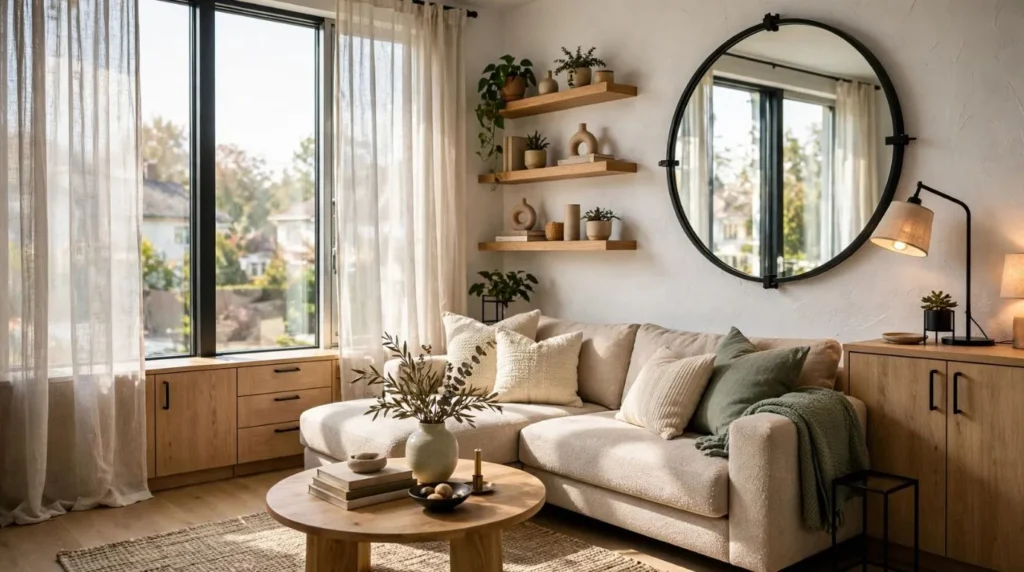
Mirrors are one of the easiest ways to make a small living room appear larger. Mirrors reflect light and create the illusion of depth, making even the smallest living room feel more open and inviting. Learn more about how mirrors reflect light and create visual depth.
Here are a few effective ways to use mirrors:
- Hang a large mirror opposite a window to reflect natural light.
- Use a full-length mirror in a narrow corner to visually expand the room.
- Choose decorative mirrors that double as wall art.
- Place mirrors near light fixtures to brighten darker areas.
Round, rectangular, or oversized mirrors all work well, depending on your interior style. A single statement mirror often has a greater impact than several smaller ones.
Can Decluttering Instantly Open Up Your Space?
Absolutely. Even the most beautiful furniture can look overwhelming if the room is filled with unnecessary items. Decluttering is one of the fastest and most affordable ways to improve both the appearance and functionality of a small living room.
Keep your space organized by:
- Clearing unnecessary items from coffee tables and side tables.
- Storing everyday essentials inside storage ottomans or decorative baskets.
- Keeping only a few meaningful decorative accessories on display.
- Organizing books neatly on floating shelves.
- Hiding cables behind a media console or TV unit.
A clutter-free room allows architectural features, furniture, and decorative accents to stand out while creating a calm and comfortable environment.
Which Furniture Works Best for Small Living Rooms?
Furniture selection can make or break a compact living room. Instead of filling the space with oversized pieces, choose furniture that provides multiple functions while maintaining an open layout. Choosing furniture becomes much easier when you follow a detailed furniture buying guide that explains sizing, materials, and functionality. The goal is to maximize comfort without sacrificing valuable floor space.
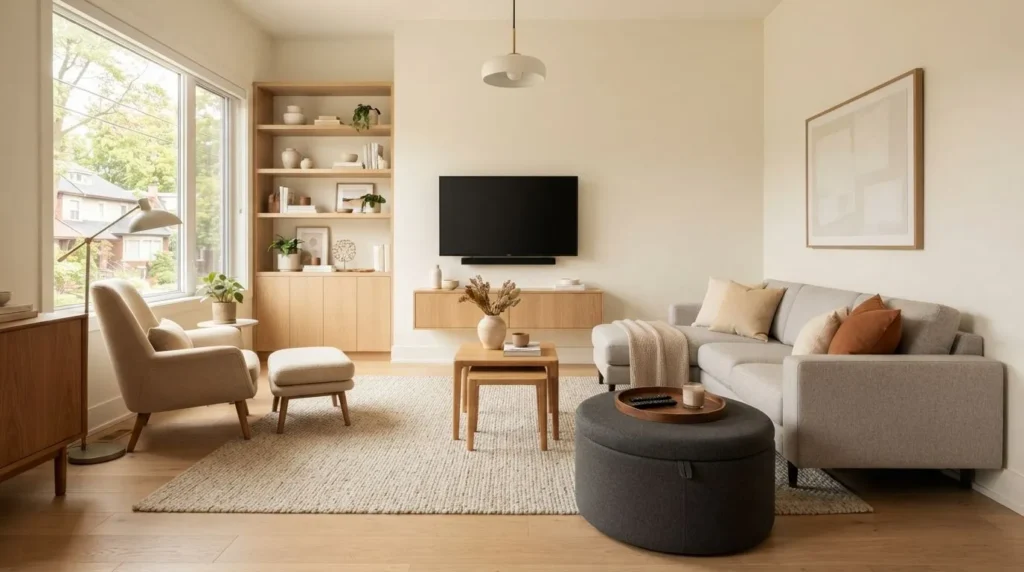
What Multifunctional Furniture Saves the Most Space?
Multifunctional furniture is ideal for compact homes because it combines practicality with style. These pieces help reduce clutter while offering additional storage or flexible seating.
Some of the best options include:
- Storage ottomans for seating and hidden storage
- Sofa beds for accommodating overnight guests
- Nesting coffee tables that can be tucked away when not in use
- Foldable furniture for flexible living
- Modular seating that can be rearranged as needed
- Lift-top coffee tables with built-in storage
- Storage benches for blankets, books, and other essentials
Many trusted brands, including IKEA, Wayfair, West Elm, CB2, and Pottery Barn, offer stylish furniture designed specifically for small spaces.
Should You Choose Compact or Oversized Furniture?
Selecting furniture that matches your room’s size is essential for maintaining visual balance. Large furniture may seem comfortable, but it can quickly overwhelm a compact living room.
| Compact Furniture | Oversized Furniture |
| Maximizes floor space | Makes the room feel cramped |
| Improves traffic flow | Blocks walkways |
| Easier to rearrange | Difficult to move |
| Perfect for apartments | Better suited for larger homes |
| Creates an open | Reduces visual space |
Instead of purchasing multiple bulky pieces, invest in a few well-proportioned items that fit comfortably within your layout.
How Can Floating Furniture Create More Space?
Many homeowners believe that every piece of furniture should be pushed against the wall. However, leaving a small gap between larger furniture and the wall can actually create the illusion of a larger room.
You can also free up valuable floor space by incorporating the following:
- Floating shelves
- Wall-mounted TV units
- Floating media consoles
- Wall-mounted cabinets
- Slim console tables
These space-saving solutions keep the room looking clean, modern, and less cluttered while providing additional storage and display space.
What Layout Ideas Maximize Every Inch?
A well-planned layout forms the foundation of a comfortable and practical living room. Even if you have beautiful furniture and stylish decor, poor placement can make a small room feel cramped and difficult to navigate. The right small living room layout improves traffic flow, enhances comfort, and creates the illusion of more space.
Before arranging your furniture, identify the room’s focal point. This could be a fireplace, a large window, a television, or a statement piece of wall art. Arrange your seating around this focal point while keeping pathways open for easy movement.
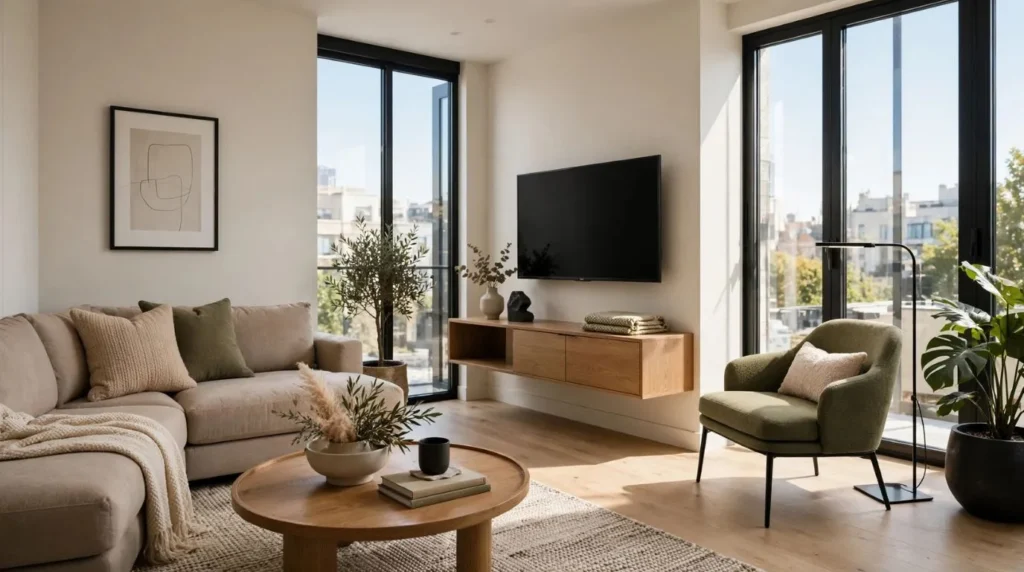
Which Furniture Arrangement Works Best?
The best layout depends on your room’s shape and size. Choosing the right arrangement ensures every inch is used efficiently without making the space feel crowded.
Corner Layout
A corner layout is perfect for compact living rooms. Position a sectional sofa or loveseat in one corner to maximize open floor space. Add a small coffee table and an accent chair if space allows.
Symmetrical Layout
For a balanced and elegant appearance, place matching chairs or side tables on either side of the sofa. This arrangement works well in square-shaped rooms and creates a polished, organized look.
Open Layout
If your living room connects to the dining area or kitchen, avoid placing large furniture pieces in the center of the room. Keep the layout open to maintain visual flow throughout the space.
Window-Focused Layout
If your room receives plenty of natural light, arrange seating to highlight the window rather than blocking it. This instantly makes the room feel brighter and more spacious.
No matter which layout you choose, keep walkways at least 24-30 inches wide whenever possible. Clear pathways improve both functionality and visual balance.
Should Furniture Touch the Walls?
Many people believe pushing all furniture against the walls creates more space. Surprisingly, this isn’t always true.
Leaving a few inches between the sofa and the wall can create visual depth, making the room appear larger. This technique also helps define conversation areas and gives the space a more professionally designed look.
However, in very small apartments, placing larger furniture against the wall may still be the most practical solution. The key is to maintain good traffic flow and avoid blocking doors, windows, or walkways.
Quick Layout Tips
- Leave the middle of the room free to create a more open and spacious feel.
- Avoid placing furniture directly in front of windows.
- Use one focal point instead of multiple competing features.
- Choose a coffee table that complements the room’s scale.
- Leave enough walking space around furniture.
- Avoid overcrowding the room with unnecessary seating.
Which Colors Make Small Living Rooms Feel Spacious?
Color has a powerful influence on how large or small a room feels. The right color palette can brighten a compact space, reflect more light, and create a calm, welcoming atmosphere. Choosing lighter shades also provides a timeless foundation that works with nearly every decorating style.
Which Paint Colors Work Best?
Light colors reflect natural and artificial light, making walls appear farther apart and ceilings feel higher. They also create a clean backdrop that allows furniture and decorative accessories to stand out.
Some of the best paint colors for a small living room include:
- Crisp white
- Warm white
- Soft gray
- Cream
- Light beige
- Pale sage green
- Soft blue
If you prefer a little contrast, add darker tones through cushions, artwork, or decorative accessories instead of painting entire walls in deep colors.
Which Materials Reflect More Light?
The materials you choose are just as important as the paint color. Reflective and light-colored surfaces help bounce light around the room, making it feel brighter and more open.
Consider incorporating the following:
- Glass coffee tables
- Acrylic side tables
- Light natural wood finishes
- Metallic accents in gold, chrome, or brushed nickel
- Linen upholstery
- Woven rattan furniture
- Light-colored area rugs
Combining these materials with a neutral color palette creates a sophisticated look while preventing the room from feeling heavy or overcrowded.
How Can Lighting Transform a Small Living Room?
Lighting is often overlooked, yet it has one of the biggest impacts on a room’s appearance. A well-lit living room feels larger, warmer, and more inviting. Instead of relying on a single ceiling fixture, combine multiple light sources to add depth and dimension.
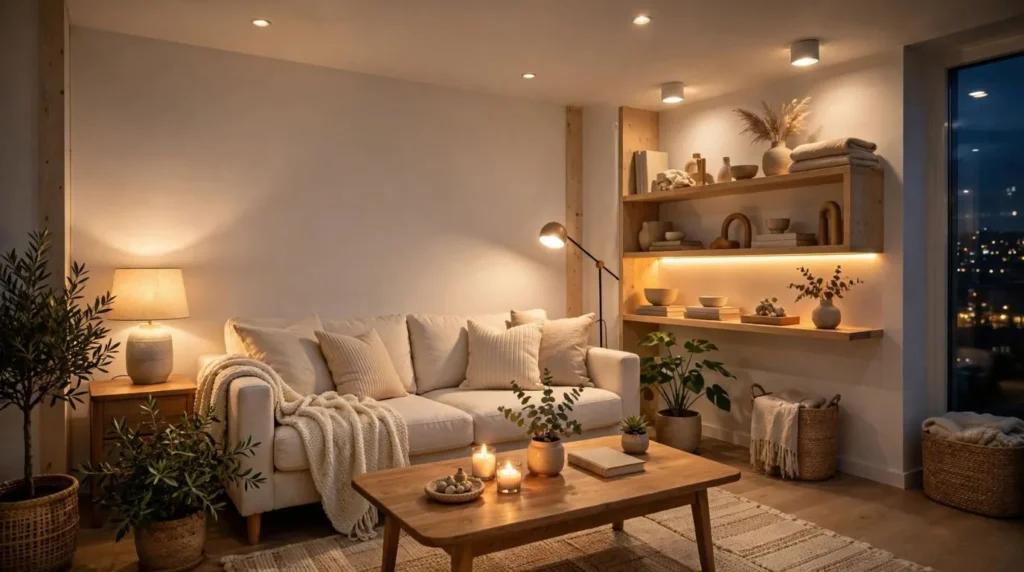
Why Is Layered Lighting Important?
Layered lighting combines multiple light sources, each designed to fulfill a specific function within the room. This approach eliminates dark corners and creates a balanced atmosphere throughout the room.
A well-designed lighting plan should include:
- Ambient lighting from ceiling fixtures or chandeliers.
- Task lighting from table lamps or floor lamps for reading.
- Accent lighting to highlight artwork, shelves, or architectural details.
Layering light adds depth while making the room feel more comfortable throughout the day and evening.
How Can Natural Light Be Maximized?
Natural light can instantly make a compact living room appear brighter, larger, and more inviting. Instead of blocking sunlight, find ways to enhance it.
Try these simple ideas:
- Hang sheer curtains instead of heavy drapes.
- Install Roman shades that fold neatly when opened.
- Keep windows free of bulky furniture.
- Place decorative mirrors opposite windows to reflect sunlight.
- Choose light-colored window treatments that allow more daylight into the room.
The more natural light your living room receives, the larger and more welcoming it will appear.
What Storage Solutions Keep Small Spaces Organized?
Storage is essential in any small living room. Without a smart organization system, even a beautifully decorated space can quickly feel cluttered and cramped. The key is to choose storage solutions that blend seamlessly with your decor while making the most of every available inch.
Instead of adding bulky cabinets that consume valuable floor space, focus on hidden storage, vertical organization, and multifunctional furniture. These solutions keep everyday essentials within reach while maintaining a clean and spacious appearance.
Which Hidden Storage Ideas Actually Work?
Hidden storage helps reduce visual clutter without sacrificing style. Furniture that serves more than one purpose is especially valuable in compact living spaces because it keeps belongings neatly tucked away.
Some of the most practical hidden storage solutions include:
- Storage ottomans for blankets, magazines, and remote controls
- Storage benches placed beneath windows or along empty walls
- Lift-top coffee tables with concealed compartments
- Built-in cabinets that maximize unused wall space
- Under-sofa storage boxes for seasonal items
- Media consoles with closed cabinets to hide electronics and cables
When selecting storage furniture, look for clean lines and neutral finishes that complement your existing decor. Minimalist designs help maintain an uncluttered look while providing plenty of functionality.
How Can Vertical Storage Save Floor Space?
When floor space is limited, think upward. Utilizing vertical space is one of the smartest ways to increase storage without making the room feel crowded.
Effective vertical storage ideas include:
- Install floating shelves above the sofa or TV unit.
- Select slim, tall bookcases that provide ample storage while preserving valuable floor space.
- Add corner shelves to utilize unused corners.
- Mount wall organizers for small decorative items.
- Install floating cabinets for concealed storage.
Decorate shelves thoughtfully by mixing books, indoor plants, candles, decorative baskets, and framed artwork. Avoid overcrowding every shelf, as leaving some empty space creates a cleaner, more sophisticated appearance.
Before vs. After: Smart Storage Solutions
| Before Smart Storage | After Smart Storage |
| Cluttered surfaces | Clear and organized surfaces |
| Limited storage | Hidden and multifunctional storage |
| Floor space occupied | Better use of vertical space |
| Difficult to find items | Everything has a designated place |
| Room feels smaller | Room feels larger and more functional |
Which Wall Decor Ideas Add Style Without Clutter?
Wall decor can instantly enhance the personality of a living room, but in a small space, less is often more. Carefully selected decorative pieces add visual interest without overwhelming the room.
Rather than filling every wall, focus on a few statement pieces that complement your overall design style.
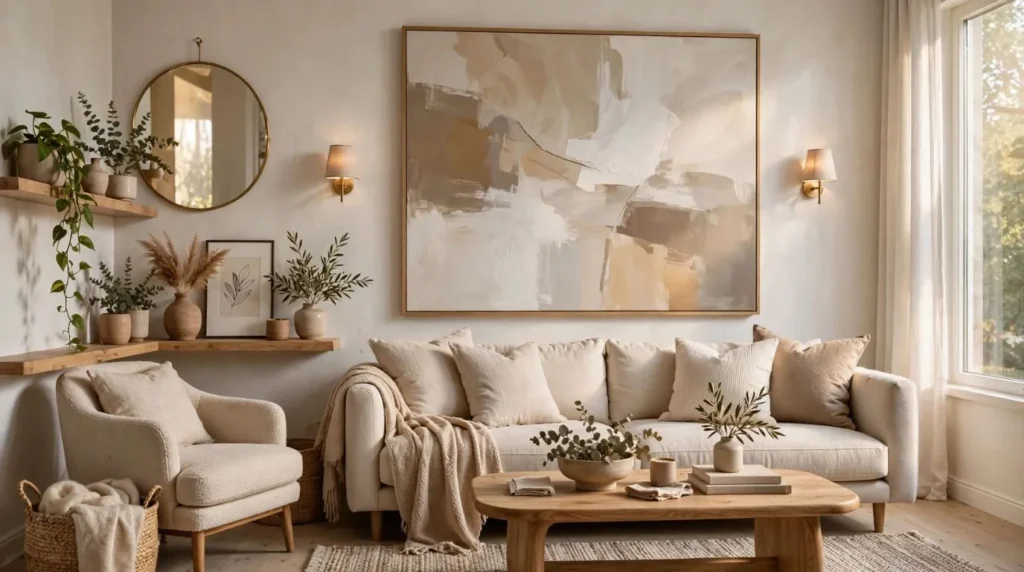
What Wall Decor Works Best?
The best wall decor for small living rooms creates visual interest while maintaining an open and airy atmosphere.
Consider these stylish options:
- A large piece of wall art above the sofa
- Decorative mirrors to reflect light
- Floating shelves displaying books and plants
- A carefully arranged gallery wall
- Wall-mounted planters for a touch of greenery
- Minimalist framed prints in neutral tones
A single oversized artwork often has a stronger visual impact than several small pieces. It also prevents the room from feeling busy or cluttered.
Adding indoor plants on floating shelves or in wall-mounted planters introduces natural texture and freshness without taking up floor space.
How Many Accessories Are Too Many?
Accessories complete a room, but using too many can make a compact living room feel smaller than it actually is.
Follow this simple guide:
| Do | Don’t |
| Choose one large artwork | Fill every wall with decorations |
| Add decorative mirrors | Overdecorate every surface |
| Use simple floating shelves | Mix too many colors and patterns |
| Display a few meaningful accessories | Overcrowd shelves with small items |
| Keep styling balanced | Use bulky decorative pieces |
Aim for quality over quantity. A few carefully chosen accessories create a polished, sophisticated look while allowing your furniture and architecture to shine.
What Decor Styles Suit Small Living Rooms?
The right decorating style can make a compact living room feel brighter, more spacious, and easier to maintain. While personal taste always matters, some interior styles naturally work better in smaller spaces because they emphasize simplicity, functionality, and clean lines.
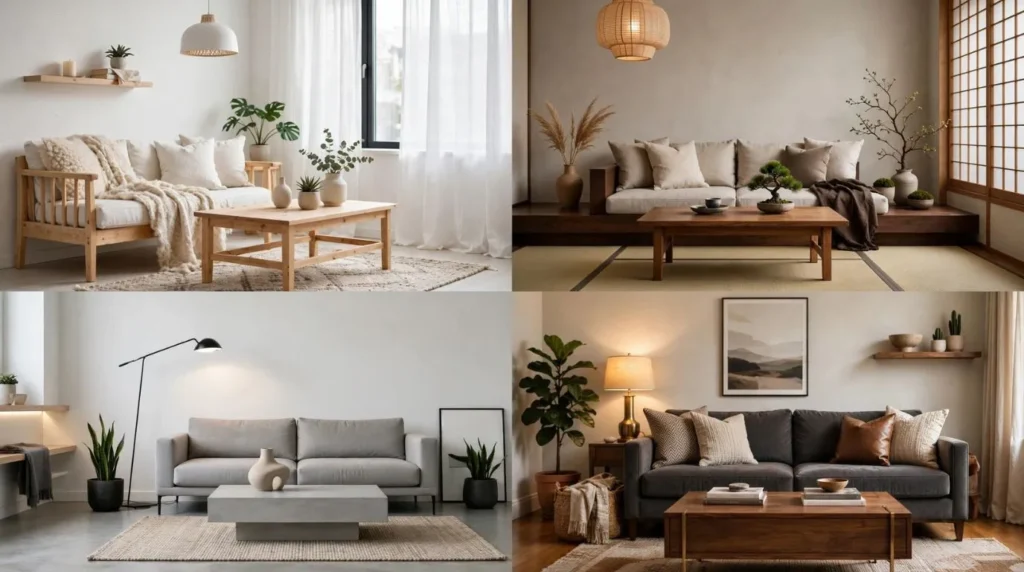
Which Style Matches Your Home?
Here are some popular design styles that work beautifully in small living rooms:
Modern Style
Modern interiors feature clean lines, simple furniture, neutral colors, and minimal accessories. This style creates a sleek and uncluttered appearance.
Scandinavian Design
Known for its bright color palette, natural wood, cozy textiles, and functional furniture, Scandinavian design makes small spaces feel warm and welcoming.
Japandi Style
A blend of Japanese simplicity and Scandinavian comfort, Japandi focuses on natural materials, muted colors, handcrafted decor, and minimal clutter.
Minimalist Decor
Minimalism embraces the philosophy of “less is more.” Every item serves a purpose, resulting in a peaceful and highly functional living environment.
Contemporary Style
Contemporary interiors combine modern furniture with current design trends, incorporating neutral tones, metallic accents, and layered textures.
Farmhouse Style
Farmhouse decor introduces warmth through natural wood, woven baskets, soft fabrics, and vintage-inspired accents without overwhelming the room.
Bohemian Style
Bohemian interiors feature layered textiles, indoor plants, woven materials, and artistic accessories. To keep a small room from feeling crowded, use this style in moderation.
Which Style Makes a Room Feel Largest?
If your primary goal is to create the illusion of more space, these styles perform best:
- Scandinavian Design – Bright, airy, and highly functional.
- Japandi Style – Calm, minimalist, and naturally spacious.
- Minimalist Design – Reduces visual clutter and emphasizes simplicity.
These styles rely on neutral colors, multifunctional furniture, natural light, and thoughtful layouts to maximize every square foot while maintaining a stylish appearance.
How Can You Decorate a Small Living Room on a Budget?
Creating a beautiful living room doesn’t have to cost a fortune. Small updates often make a bigger impact than expensive renovations. By focusing on affordable improvements and DIY projects, you can completely refresh your space while staying within your budget.
What Affordable Decor Upgrades Make the Biggest Difference?
Start with simple changes that instantly improve the appearance of your living room.
Some budget-friendly upgrades include:
- Rearrange your furniture to improve traffic flow.
- Paint the walls in a light neutral color.
- Add a decorative mirror to reflect natural light.
- Replace old throw pillows with fresh designs.
- Introduce indoor plants for color and texture.
- Create DIY wall art using inexpensive frames.
- Install floating shelves for stylish storage.
- Update table lamps or floor lamps with modern designs.
Even replacing outdated curtains or adding a new area rug can dramatically transform the room.
Which Decor Items Offer the Best Value?
If you’re shopping on a budget, prioritize items that improve both function and style.
Some of the best value purchases include:
- Storage baskets
- Floating shelves
- Area rugs
- Sheer curtains
- Decorative mirrors
- Table lamps
- Floor lamps
- Storage ottomans
- Indoor plants
Retailers such as IKEA, Wayfair, CB2, West Elm, and Pottery Barn offer a wide range of furniture and decor suitable for different budgets and design preferences.
What Mistakes Should You Avoid in a Small Living Room?
Even the most stylish furniture and decor can make a small living room feel cramped if they’re not used thoughtfully. Many homeowners unintentionally choose designs that reduce visual space and make the room less functional. Avoiding these common mistakes will help you create a living room that feels open, comfortable, and well-balanced.
Which Common Decorating Mistakes Make Rooms Feel Smaller?
Being aware of these decorating mistakes can save you time, money, and frustration during your makeover.
- Choosing oversized furniture: Large sofas and bulky coffee tables overwhelm compact spaces. Select furniture that is proportional to your room size.
- Using dark paint on every wall: While darker shades can add character, they may also make a small room feel enclosed. Stick to lighter colors for the main walls and introduce darker tones through accessories.
- Blocking natural light: Placing tall furniture in front of windows limits sunlight and makes the room appear smaller. Keep windows as open as possible.
- Poor lighting: Relying on a single ceiling fixture creates shadows that make the room feel cramped. Layer your lighting with floor lamps, table lamps, and accent lighting.
- Overdecorating: Too many decorative items create visual clutter. Choose a few statement pieces instead of filling every surface.
- Using a rug that’s too small: A tiny area rug can make the room look disconnected. Select a rug that fits comfortably beneath the front legs of your seating furniture.
- Ignoring vertical space: Empty walls are valuable storage opportunities. Floating shelves and wall-mounted cabinets help maximize space without reducing floor area.
Avoiding these mistakes will instantly improve the appearance and functionality of your living room while making it feel larger and more inviting.
Small Living Room Decor Checklist
Before starting your decorating project, use this practical checklist to ensure you’ve covered all the essentials.
Before You Decorate
✔ Measure your living room accurately.
✔ Create a furniture layout before purchasing new pieces.
✔ Choose multifunctional furniture whenever possible.
✔ Declutter surfaces and remove unnecessary items.
✔ Use a light, neutral color palette.
✔ Maximize natural light with sheer curtains or Roman shades.
✔ Add decorative mirrors to increase visual depth.
✔ Install floating shelves for extra storage.
✔ Keep walkways clear to improve traffic flow.
✔ Layer ambient, task, and accent lighting.
✔ Include indoor plants to add warmth and freshness.
✔ Select decor that complements your chosen design style.
Following this checklist will help you create a living room that is functional, stylish, and perfectly suited to compact living.
Final Thoughts
Transforming a compact living room doesn’t require a complete renovation or a large budget. The most effective small living room decor ideas focus on thoughtful planning, functional furniture, and intentional design choices. By selecting multifunctional furniture, embracing light colors, maximizing natural light, incorporating smart storage solutions, and keeping clutter to a minimum, you can create a space that feels both stylish and spacious.
Remember, every detail matters in a small living room. From choosing the right layout to adding a well-placed mirror or installing floating shelves, small improvements can have a significant impact. Whether your style is Scandinavian, Japandi, modern, or minimalist, the goal is to create a room that reflects your personality while supporting your everyday lifestyle.
Start with one or two simple upgrades, such as rearranging your furniture or adding a storage ottoman, and build from there. With careful planning and the right design approach, your small living room can become one of the most beautiful, comfortable, and functional spaces in your home.
Frequently Asked Questions
How do you decorate a very small living room?
Start by choosing multifunctional furniture, using light paint colors, adding mirrors, and keeping the space free from unnecessary clutter. A thoughtful layout and smart storage solutions can make even the smallest living room feel comfortable and spacious.
What colors make a small living room look bigger?
White, warm white, cream, beige, soft gray, pale sage green, and light blue are excellent choices. These lighter shades enhance both natural and artificial light, creating an airy atmosphere that makes the room appear more spacious and welcoming.
Is a sectional sofa good for a small living room?
Yes, a compact sectional can work well if it’s properly sized for the room. It often provides more seating than separate chairs while keeping the layout clean and efficient.
How can you create more storage in a small living room?
Use storage ottomans, lift-top coffee tables, floating shelves, wall-mounted cabinets, decorative baskets, and under-sofa storage. Making use of vertical space is one of the most effective ways to increase storage without sacrificing floor space.
What furniture should I avoid in compact spaces?
Avoid oversized sofas, bulky coffee tables, heavy entertainment units, and large decorative cabinets. Choose furniture with slim profiles and multiple functions to maximize both style and usability.
Are mirrors good for making a room look larger?
Yes. Mirrors reflect natural and artificial light, creating the illusion of depth and making a small living room appear brighter and more spacious. Positioning a mirror opposite a window usually provides the best results.